Wheat Weevil Control: Comprehensive Strategies for Farmers
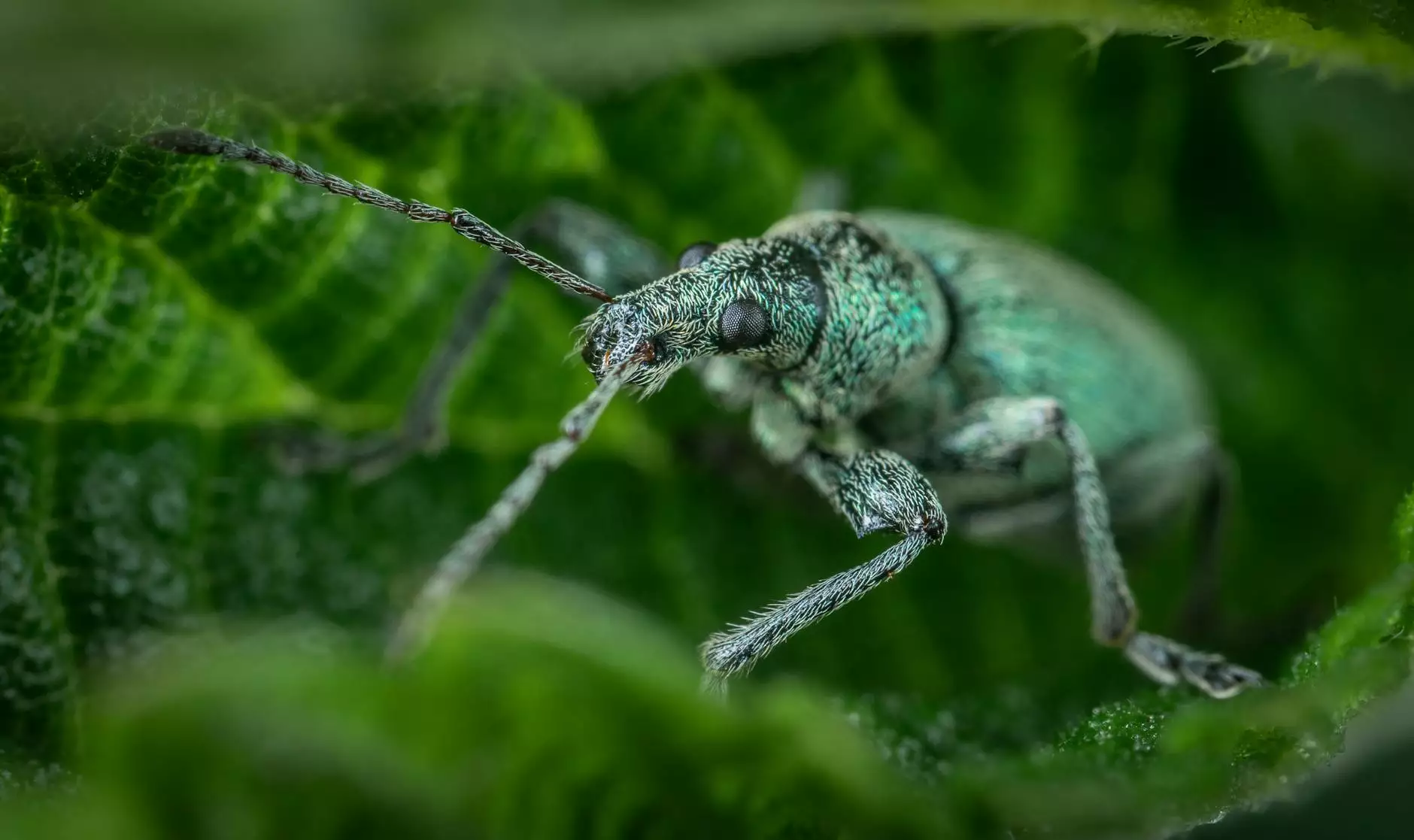
Understanding the Wheat Weevil
The wheat weevil (Sitophilus granarius) is a significant pest that affects grains, particularly wheat, barley, and other stored products. These pests are notorious for their ability to cause severe damage to stored grain, resulting in considerable losses for farmers and grain merchants alike. Understanding the biology and behavior of the wheat weevil is crucial for effective control and management strategies.
The Life Cycle of the Wheat Weevil
To develop an effective wheat weevil control strategy, it's essential to understand their life cycle, which consists of four stages: egg, larva, pupa, and adult. Let's break it down:
- Egg Stage: Female weevils lay eggs directly on the grain kernels.
- Larval Stage: Upon hatching, larvae burrow into the grain, feeding on it from the inside, which damages the grain structure.
- Pupal Stage: After several days of feeding, larvae pupate inside the grain.
- Adult Stage: Adults emerge from the grain and begin the cycle anew, laying more eggs and continuing the infestation.
Identifying Wheat Weevil Infestations
Proper identification of a wheat weevil infestation is the first step toward an effective management strategy. Look for the following signs:
- Small Holes: Adult weevils create tiny holes in grain, which can often be found on the surface of infested kernels.
- Fine Sawdust: The larvae excrete powdery residue or frass, which tends to accumulate around infested grains.
- Live Insects: If you spot adult weevils crawling among your grain stores, it's a sure sign of infestation.
Preventive Measures for Wheat Weevil Control
The old adage, "an ounce of prevention is worth a pound of cure," rings particularly true in the realm of pest management. Implementing preventive strategies can significantly reduce the likelihood of a wheat weevil infestation.
1. Proper Storage of Grains
Ensuring that grains are stored correctly can drastically reduce the risk of infestation. Consider the following tips:
- Use Sealable Containers: Store grains in airtight containers to limit access to pests.
- Maintain Low Humidity: Weevils thrive in humid environments; therefore, keeping storage areas dry is essential.
- Regular Inspections: Conduct routine checks on stored grains to catch any signs of infestation early.
- Temperature Control: Store grains in cool environments, as extreme temperatures can deter weevil activity.
2. Cleaning and Sanitation
Regular maintenance of storage sites can help control the presence of wheat weevils. Focus on:
- Thoroughly Cleaning Storage Areas: Remove all residues from previous grain to eliminate potential breeding grounds.
- Disposing of Infested Grain: If any grain shows signs of infestation, dispose of it immediately to prevent further spread.
Biological Control Methods
Utilizing biological control methods can be an effective way to manage wheat weevil populations without resorting to harsh chemicals. Here are a few approaches to consider:
- Predatory Insects: Introduce natural predators that prey on wheat weevils, including various wasps and beetles.
- Beneficial Nematodes: These microscopic worms can attack weevil larvae and are effective in reducing their population in stored grain.
Chemical Control Methods
While prevention and biological methods are preferable, sometimes chemical control is necessary. Here are some options:
- Insecticides: Use registered insecticides specifically labeled for use against wheat weevils. Follow all safety and application guidelines.
- Grain Protectants: Apply grain protectants during storage to protect against initial infestations.
Integrated Pest Management (IPM) Strategies
Implementing an Integrated Pest Management approach combines various strategies for the most effective wheat weevil control. This systematic model emphasizes:
- Monitoring: Regular monitoring helps to detect wheat weevil populations early.
- Threshold Determination: Establish economic thresholds to decide when intervention is necessary.
- Control Methods: Use a combination of cultural, biological, and chemical methods in a strategic manner.
Post-Harvest Practices for Wheat Weevil Control
The period after harvest is crucial for preventing wheat weevil infestations. Here’s how you can maintain grain quality post-harvest:
- Quick Processing: Process wheat as soon as possible to reduce the time pests have to infest.
- Proper Drying: Ensure that wheat is adequately dried before storage, as moisture attracts weevils.
Community Engagement in Pest Management
Effective wheat weevil control often requires collaboration among farmers within a community. Consider these group strategies:
- Sharing Best Practices: Establish a network to share successful pest management practices.
- Cooperative Monitoring Programs: Form cooperatives to monitor and manage pest populations seamlessly.
Conclusion
In conclusion, managing wheat weevils is essential for maintaining the quality and yield of your grain harvest. By implementing a combination of preventive measures, biological and chemical control strategies, and engaging within the farming community, you can achieve effective wheat weevil control. Remember, proactive management is the key to reducing the impact of these pests on your agricultural success. Farming is a continuously evolving field, and staying informed about the latest pest management practices will ensure that you remain ahead of the challenges associated with wheat weevil infestations.
About TSGC Inc.
TSGC Inc. specializes in providing expert advice and services for farm equipment repair and enhancing the productivity of farming equipment. Through our tailored solutions, including pest management consultations, we aim to support farmers in maintaining high productivity levels while safeguarding their crops. Visit tsgcinc.com for more information.