The Operative Hysteroscopy Procedure: Enhancing Women’s Health
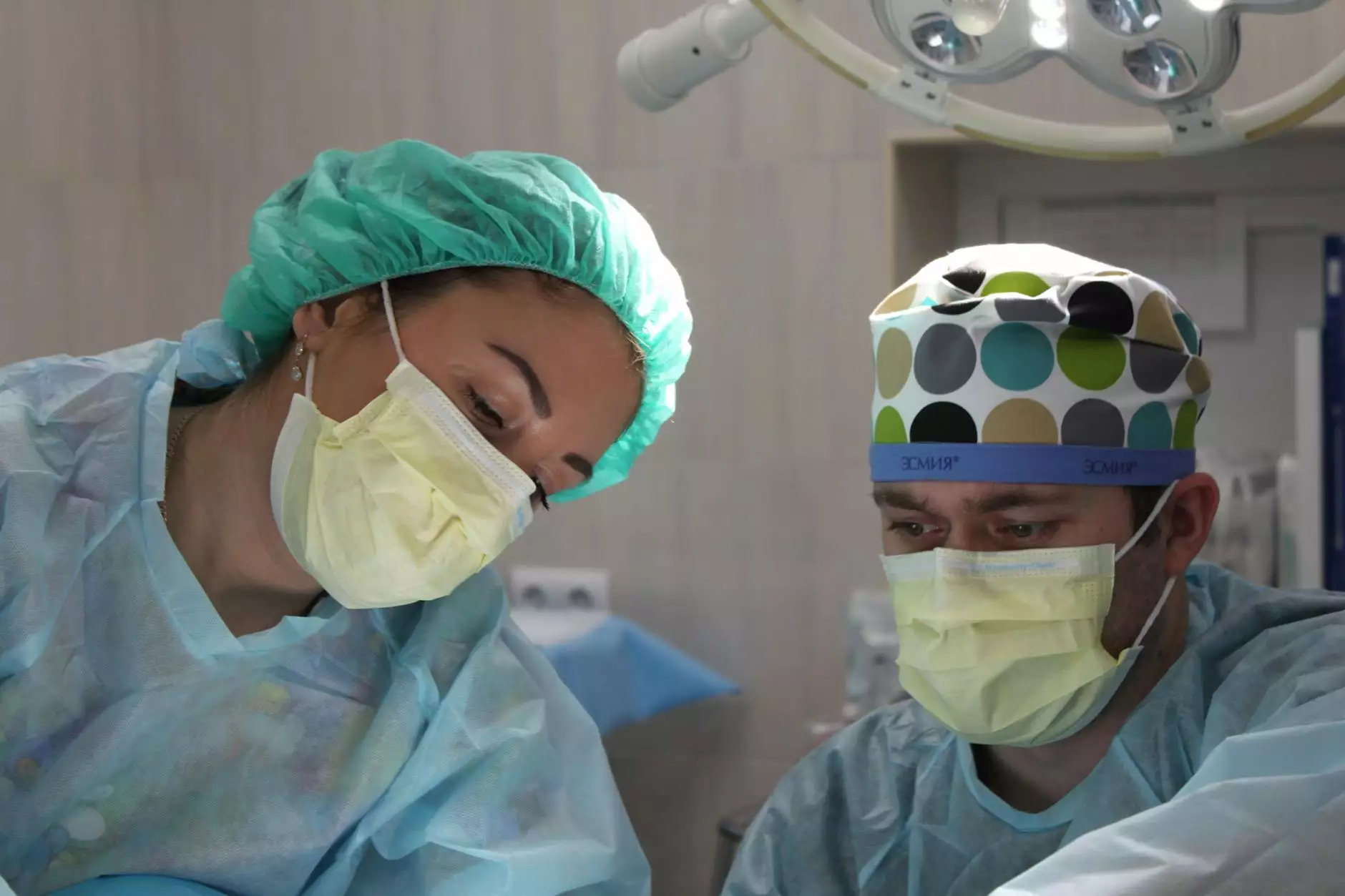
In the realm of women's health, the operative hysteroscopy procedure has emerged as a pivotal advancement in the diagnosis and treatment of various gynecological conditions. This minimally invasive technique allows for direct visualization of the uterine cavity, enabling obstetricians and gynecologists to address numerous health issues efficiently and effectively.
What is Operative Hysteroscopy?
Operative hysteroscopy involves the use of a slender, lighted telescope known as a hysteroscope, which is inserted through the vagina and cervix into the uterus. This procedure can be performed for both diagnostic and therapeutic purposes, making it an essential tool in modern gynecological practice.
Reasons for Undergoing Operative Hysteroscopy
There are various reasons why a woman may undergo the operative hysteroscopy procedure. Some of the most common indications include:
- Uterine Fibroids: Removal of fibroids that may be causing pain, heavy bleeding, or infertility.
- Polyp Removal: Removal of polyps that can occur in the uterus and cause irregular bleeding.
- Septum Resection: Correction of uterine septum which can lead to recurrent pregnancy loss.
- Endometrial Ablation: A treatment for abnormal uterine bleeding by destroying the endometrial lining.
- Intrauterine Device (IUD) Removal: A quick solution for cases where the IUD has become embedded or displaced.
- Assessment of Uterine Anatomy: Evaluating uterine anatomy, especially in women experiencing infertility.
The Operative Hysteroscopy Procedure: Steps Involved
Before undergoing an operative hysteroscopy procedure, it is essential to understand the steps involved. Here’s a breakdown of the process:
1. Preoperative Assessment
A thorough evaluation through medical history, physical examination, and possibly imaging studies will precede the procedure. This helps determine if a hysteroscopy is the appropriate step for the patient.
2. Preparation
Patients may be asked to refrain from eating or drinking prior to the procedure. It's crucial to follow all preoperative instructions provided by the healthcare provider for an optimal outcome.
3. Anesthesia
The procedure can be performed under local, regional, or general anesthesia, depending on the complexity of the operation and the patient’s overall health. The choice of anesthesia will be discussed during the preoperative consultation.
4. The Procedure
- Initial Introduction: The hysteroscope, which is equipped with a camera and light source, is carefully inserted into the uterus. - Distention of the Uterine Cavity: A sterile fluid is introduced into the uterus to expand it, allowing a clear view of the uterine walls. - Intervention: Necessary surgical procedures, such as the removal of polyps, fibroids, or any concerning lesions, are performed using specialized instruments. - Monitoring: Throughout the procedure, the healthcare team continuously monitors the patient’s comfort and vitals.
5. Conclusion of the Procedure
After completing the operative steps, the hysteroscope is gently removed, and any excess fluid is drained. The patient is observed for a short period to ensure no immediate complications arise.
Benefits of Operative Hysteroscopy
The operative hysteroscopy procedure offers numerous benefits that make it an attractive option for many women experiencing gynecological issues. Here are some of the significant advantages:
- Minimally Invasive: As a minimally invasive technique, it results in less pain, lower risk of infection, and quicker recovery times compared to traditional surgical methods.
- Shorter Recovery Time: Most patients can return to their normal activities within a few days.
- Day Surgery: Often performed as an outpatient procedure, which means no overnight hospital stay is required.
- Improved Visualization: Direct visualization of the uterine cavity allows for accurate diagnosis and treatment.
- Targeted Treatment: Specific issues can be addressed during a single procedure, reducing the need for multiple surgeries.
Risks and Considerations
While the operative hysteroscopy procedure is generally safe, it is crucial to be aware of potential risks and complications. They may include:
- Perforation: There exists a small risk of the hysteroscope perforating the uterine wall.
- Infection: Post-operative infections can occur, although they are rare.
- Bleeding: Some bleeding may occur after the procedure, particularly if surgery was performed.
- Fluid Overload: Excessive fluid absorption can complicate recovery.
Aftercare and Recovery
Following the operative hysteroscopy procedure, patients are typically advised to monitor their symptoms closely. Here are general aftercare tips:
- Rest: Take it easy for the first few days post-procedure.
- Pain Management: Over-the-counter pain relievers like ibuprofen can help manage discomfort.
- Watch for Symptoms: Notify your doctor if you experience severe pain, heavy bleeding, or fever.
- Follow-Up Appointments: Attend all scheduled follow-up appointments to ensure proper healing and treatment efficacy.
Conclusion
The operative hysteroscopy procedure stands out as a vital tool in modern gynecology, allowing for effective diagnosis and treatment of various uterine conditions. With its many benefits, including minimally invasive techniques and quick recovery times, it represents a significant advancement in women’s healthcare. For individuals experiencing relevant symptoms, consulting with a specialized provider at a reputable clinic like Dr. Seckin’s clinic can lead to effective solutions and improved quality of life.
Contact Information
If you are considering the operative hysteroscopy procedure or would like to learn more about it, please reach out to our office for a consultation. Your health is our priority!