Effective Stored Grain Pest Control: A Comprehensive Guide
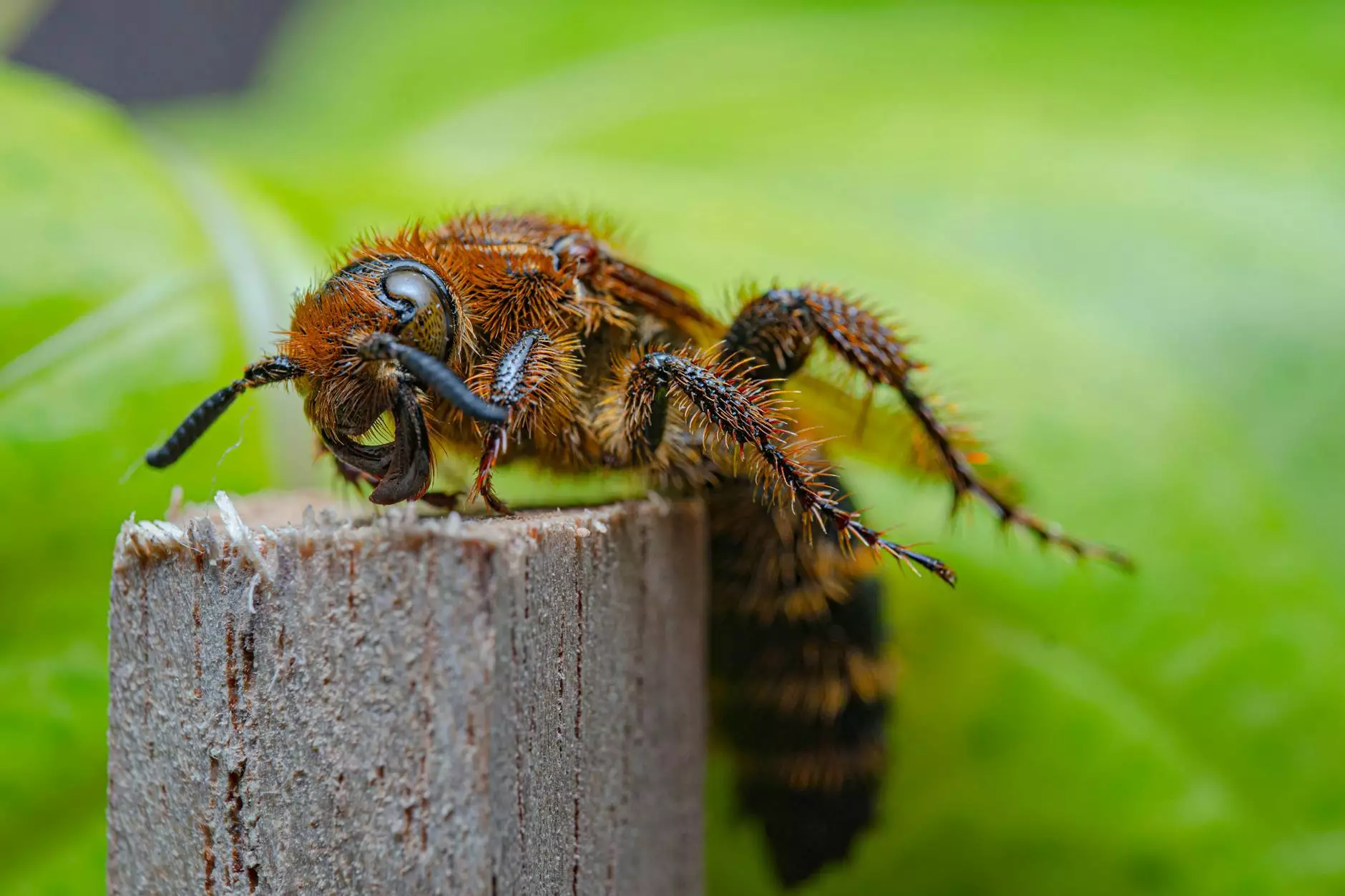
Stored grain pest control is essential for farmers and grain handlers aiming to enhance the quality and longevity of their stored products. Pests pose serious threats to grain integrity, leading to significant economic losses and reduced product quality. Therefore, understanding effective pest control methods is not just an option; it’s a necessity for successful grain management.
The Importance of Stored Grain Pest Control
Grain storage is a critical aspect of the agricultural supply chain. As grains are harvested and stored, they become susceptible to a variety of pests, including insects, rodents, and fungi. Effective stored grain pest control minimizes these risks by implementing proactive strategies that protect grain quality and ensure safety.
Economic Impact
It is reported that approximately 10–15% of harvested grains are lost annually due to pest infestations. This loss not only impacts the farmer's income but can also result in nationwide food scarcity. By investing in pest control, farmers can safeguard their profits and sustain their businesses.
Quality Assurance
Grains that are infested with pests may seem unpalatable, and their quality may degrade significantly. Effective pest control measures help maintain the nutritional value, appearance, and taste of stored grains, ensuring they remain marketable and safe for consumption.
Understanding Common Stored Grain Pests
Identifying the key pests that affect stored grain is the first step in effective pest management. Here are some of the most common culprits:
- Grain Weevils: These tiny pests bore into grains and can devastate entire stocks in a matter of weeks.
- Indian Meal Moths: Known for leaving webbing in grain bins, they can contaminate large amounts of food.
- Rice Weevils: These pests can damage rice, wheat, and other grains, feeding on them as they breed and multiply.
- Rodents: Mice and rats not only feed on the grains but also contaminate them with droppings.
- Fungi: While not insects, fungal growth can thrive in improperly stored grains, leading to mycotoxin production.
Strategies for Effective Pest Control
1. Prevention
Prevention is the most effective stored grain pest control strategy. Here are some preventive measures:
- Clean Storage Facilities: Regularly clean storage areas to remove any remnants of previous grain harvests that may attract pests.
- Monitor Moisture Levels: Maintaining low moisture levels in stored grains inhibits the growth of pests and fungi.
- Temperature Control: Keeping your storage facilities cool reduces pest activity. Ideal temperatures for grain storage are between 50°F and 60°F.
- Sealing Storage Containers: Ensure all bins and containers are tightly sealed to prevent insect intrusion.
2. Regular Inspections
Routine inspections are vital. Farmers should:
- Conduct visual checks for signs of pests, such as droppings, webbing, or damaged grain.
- Utilize traps to monitor pest activity.
- Check grain temperature and moisture levels frequently.
3. Chemical Controls
When pest infestations occur, chemical control methods can be effective. Here are some options:
- Pesticides: Use targeted pesticides that specifically combat the pests threatening stored grains. Ensure they are approved for use in food storage.
- Fumigation: This method involves treating grain with gaseous chemicals to eliminate pests. It requires specialized equipment and training.
- Insect Growth Regulators (IGRs): These disrupt the life cycle of pests, preventing them from maturing into adults.
4. Biological Controls
Biological controls can offer eco-friendly alternatives to chemical solutions:
- Beneficial Insects: Introducing predators like ladybugs can reduce pest populations naturally.
- Parasitic Wasps: These can be released to target specific pest eggs and larvae.
Integrating Technology in Pest Control
Modern technology plays a crucial role in enhancing stored grain pest control measures. Here are some advancements:
1. Smart Bins
Smart grain bins equipped with sensors can monitor moisture levels, temperature, and pest activity in real time, enabling timely interventions.
2. Drones
Drones can be utilized for aerial surveillance of large storage facilities and farms, allowing farmers to identify pest hotspots without extensive manual inspection.
3. Data Analytics
Using data analytics, farmers can analyze pest activity patterns and correlate them with environmental conditions, developing more effective preventive strategies.
Collaboration with Pest Control Experts
Partnering with professional pest control services can enhance your efforts in stored grain pest control. These experts bring specialized knowledge and experience in managing pest problems effectively. Working together, farmers can develop customized pest management plans tailored to their specific needs.
Educating Yourself and Your Team
Education is key to effective pest management. Farmers and their teams should familiarize themselves with:
- The life cycles of common pests.
- Signs of infestations.
- Correct pesticide application methods.
Offering training workshops or attending agricultural seminars can enhance awareness and improve pest management techniques across the board.
Conclusion: Taking Charge of Stored Grain Pest Control
In conclusion, effective stored grain pest control requires a multifaceted approach incorporating prevention, inspection, chemical and biological controls, and the use of technology. With dedicated efforts, farmers can protect their crops, safeguard their income, and contribute positively to the agricultural economy.
The role of grain management in farming cannot be overstated, and neither can the need for comprehensive pest control practices. By implementing these strategies and remaining vigilant, you can ensure the integrity of your stored grains and pave the way for a successful farming operation.
For further guidance on stored grain pest control and farming equipment repair, visit tsgcinc.com for professional insights and assistance tailored to your agricultural needs.