Wild Giraffe Habitat Pictures: A Visual Journey
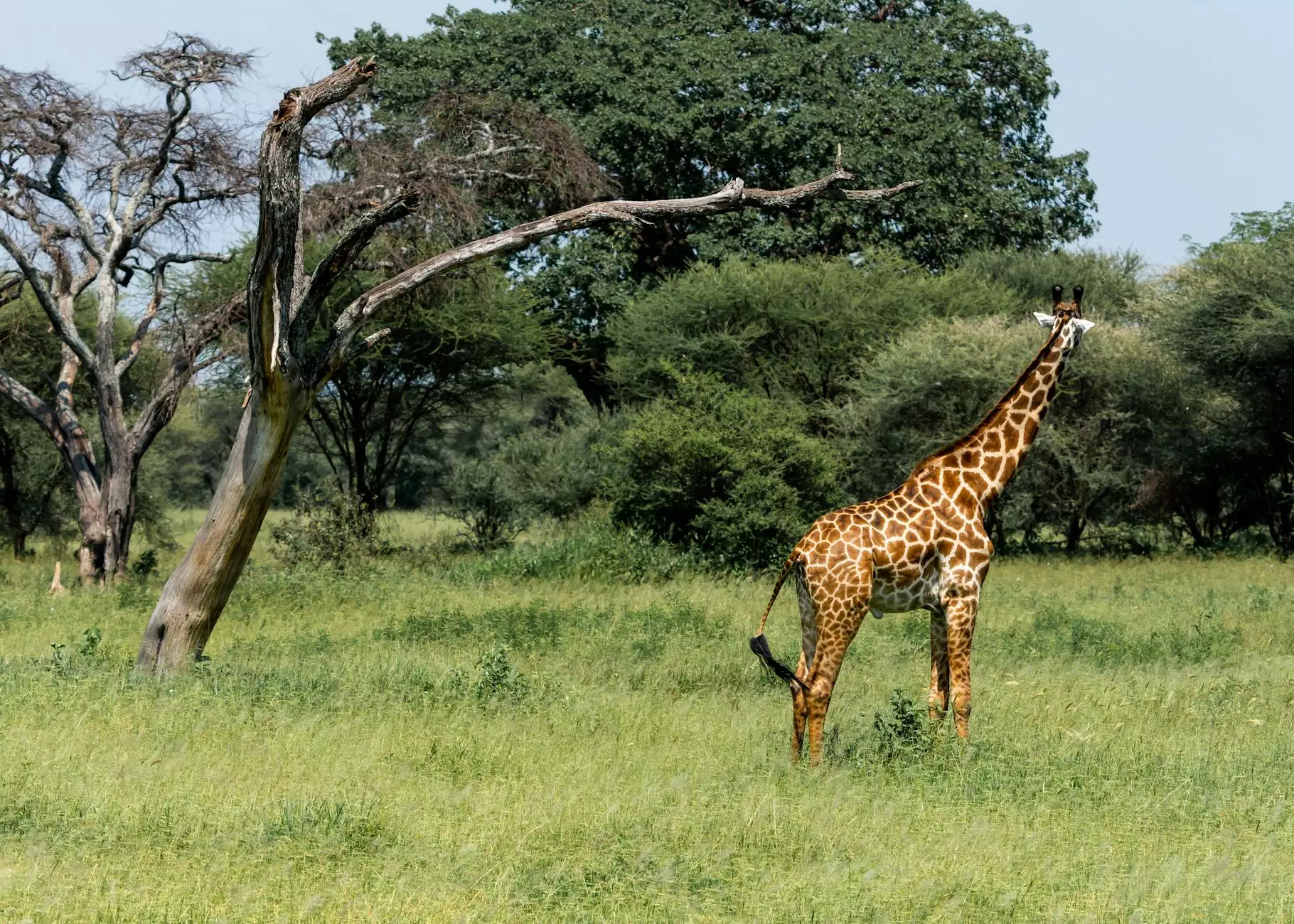
Wild giraffes are one of the most iconic animals on our planet, easily recognizable by their long necks and unique coat patterns. However, there is much more to these incredible creatures than meets the eye. In this comprehensive article, we will delve into the natural habitats of giraffes, provide stunning visual representations, and discuss the environmental significance of their ecosystems using captivating wild giraffe habitat pictures.
The Natural Habitat of Giraffes
Giraffes are native to the savannas, grasslands, and open woodlands of Africa. Their habitat varies across regions, but they typically thrive in areas where acacia trees and other tall vegetation are abundant. The following factors contribute significantly to the giraffe's habitat:
- Climate: Giraffes are adapted to warm climates, preferring temperatures that range from 20 to 30 degrees Celsius.
- Vegetation: Their long necks allow them to browse on leaves that are high above the ground, making them ideally suited for open areas where they can reach eucalyptus, acacia, and mimosa trees.
- Water Sources: While giraffes can go for long periods without drinking, they typically reside near water sources like rivers and watering holes.
Recognizing Giraffe Habitats Through Pictures
Let's explore some stunning wild giraffe habitat pictures that showcase where these magnificent animals make their home. These images capture not only the beauty of the landscape but also the dynamic interactions between giraffes and their environment.
Giraffes in Savanna Landscapes
The savanna is perhaps the most iconic habitat for giraffes. The open plains dotted with acacia trees provide ample grazing opportunities. Here are some captivating aspects of this ecosystem:
- Biodiversity: The savanna is rich in wildlife, including elephants, zebras, and various bird species. This diverse ecosystem supports a wide range of flora and fauna, illustrating the interconnectedness of life.
- Seasonal Changes: The savanna undergoes remarkable transformations with the seasons, where wet and dry periods alter the landscape and influence giraffe behavior.
- Role of Giraffes: Giraffes play a vital role in this ecosystem by acting as mega-herbivores, influencing vegetation growth and providing a food source for other predators.
A Glimpse into the Woodlands
Woodlands offer a slightly different habitat for giraffes, presenting a more shaded environment with tall trees and dense underbrush. The wild giraffe habitat pictures from this ecosystem tell an entirely different story:
- Hiding and Foraging: Wooded areas provide giraffes with significant cover from predators while allowing them to forage for leaves and fruits.
- Interaction with Other Species: In these habitats, giraffes often interact with other herbivores like antelope and smaller mammals, aiding in the balance of this thriving ecosystem.
- Impact of Climate Change: Woodlands are significantly affected by climate change, leading to shifts in foliage and affecting the giraffes’ diets.
The Challenges Facing Giraffe Habitats
Unfortunately, the natural habitats of giraffes are under threat from various human activities. Some pressing challenges include:
- Habitat Loss: Urban expansion and agricultural development are leading to significant habitat destruction, which in turn decreases the available space for giraffes to roam.
- Poaching and Illegal Hunting: Poaching poses a serious threat to giraffe populations. The demand for giraffe hides and bones for traditional medicine and decorative purposes is alarmingly high.
- Climate Change: Alterations in climate patterns affect food and water availability, posing additional challenges to their survival.
The Importance of Conservation Efforts
As we admire the stunning wild giraffe habitat pictures, it is essential to recognize the importance of conservation efforts. Here are some initiatives dedicated to protecting giraffes and their habitats:
- Protected Areas: Establishing national parks and reserves helps safeguard giraffe habitats from encroachment and poaching.
- Community Engagement: Involving local communities in conservation efforts ensures that people see the value of preserving giraffe populations and their habitats.
- Research and Monitoring: Ongoing research into giraffe populations helps track their numbers and health, leading to more effective conservation strategies.
How You Can Help
Every individual can contribute to the conservation of giraffes and their habitats. Here are some action steps you can take:
- Support Conservation Organizations: Donations to reputable wildlife NGOs can provide the necessary funds for habitat preservation efforts.
- Educate Yourself and Others: Learning about the giraffe's plight and sharing your knowledge can raise awareness among family, friends, and your community.
- Responsible Tourism: When traveling to Africa, choose eco-friendly tours that prioritize wildlife conservation and support local economies.
The Beauty of Giraffes in Their Natural Habitat
Wild giraffe habitat pictures do more than just capture stunning visuals; they provide invaluable insights into the lives of these incredible animals. With their graceful movements and serene presence, giraffes remind us of the beauty that exists in our natural world and the urgent need to protect it.
Final Thoughts
As we conclude our exploration of the majestic world's wild giraffes, it is crucial to carry forward the lessons we learned from their habitats, behaviors, and the challenges they face. The beauty of nature is fragile and calls for our immediate attention and action. By working together towards conservation efforts, we can ensure that future generations will also thrive with the sight of wild giraffe habitat pictures and experience the splendor of these gentle giants.