Understanding POS Monitors: A Key Component in Modern Retail
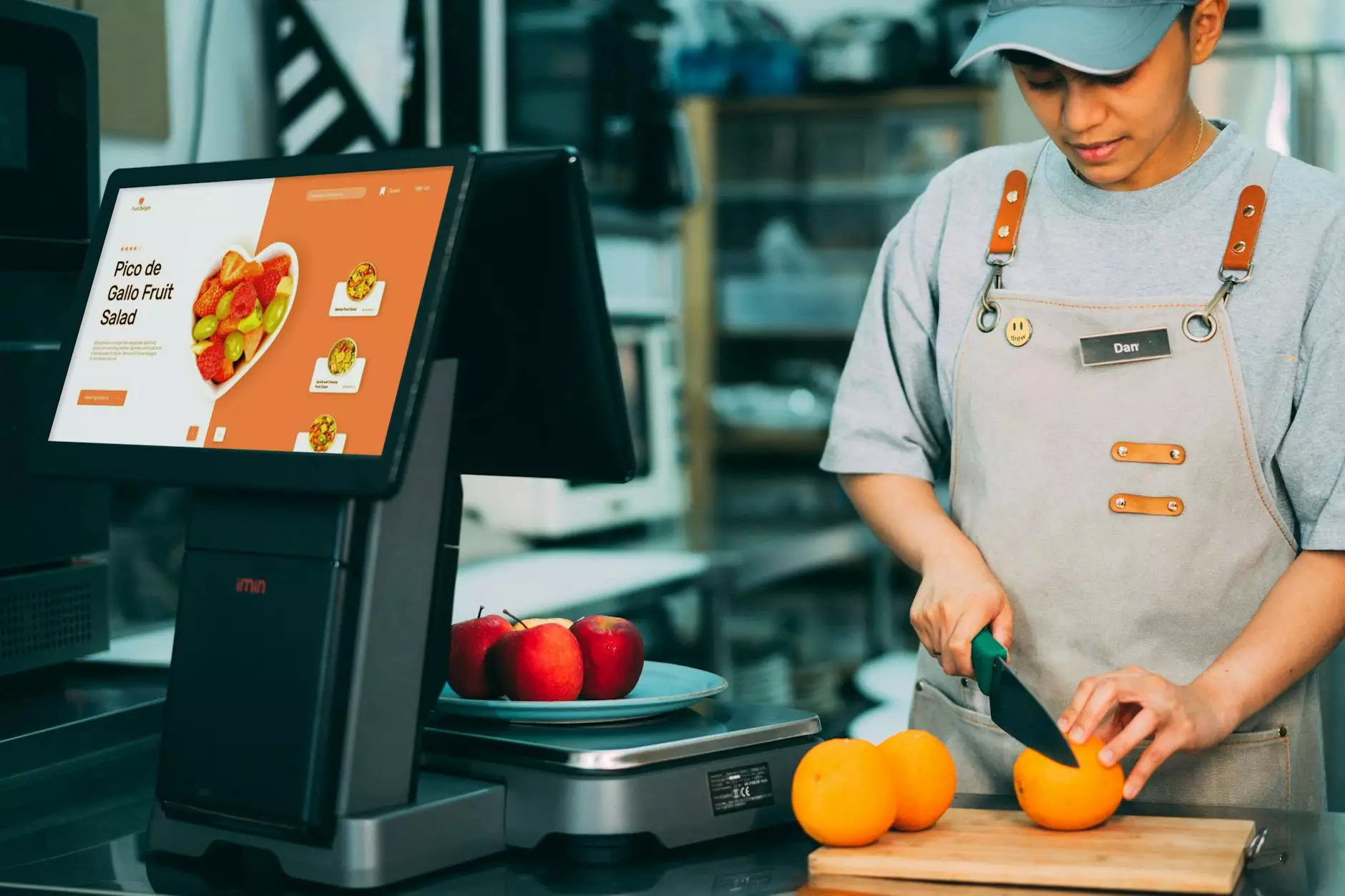
In the fast-paced world of retail, having the right Point of Sale (POS) system is crucial for ensuring smooth transactions and enhancing customer experience. Among the vital components of an effective POS system is the POS monitor. This article delves deep into what POS monitors are, their functionalities, the advantages they offer, and how they can significantly influence your business operations.
What is a POS Monitor?
A POS monitor is essentially a screen that plays a pivotal role in the point of sale system, displaying transaction details, guiding the cashier, and providing the customer with confirmation of their purchases. These monitors can come in various forms, including touch screens, multi-screen setups, and integrated display systems.
Why is a POS Monitor Important for Your Business?
Integrating a POS monitor into your retail environment offers numerous benefits that can enhance both efficiency and customer satisfaction:
1. Efficient Transaction Processing
One of the primary advantages of a POS monitor is its ability to facilitate quick and efficient transaction processing. Cashiers can easily input, modify, and finalize purchases without unnecessary delays. The speed of transactions is vital in retaining customers, especially during peak hours.
2. Enhanced Customer Interaction
With a well-positioned POS monitor, cashiers can engage with customers while processing their transactions. This interaction can create a more personalized experience by allowing cashiers to discuss promotions, answer questions, and provide recommendations based on customer preferences.
3. Improved Accuracy
Manual entry of data can lead to errors. A POS monitor minimizes mistakes by displaying real-time information for each transaction. This reduces the risk of mischarging customers and enhances your business's reputation for reliability.
4. Detailed Reporting and Analytics
Many modern POS monitors are integrated with advanced software that offers in-depth reporting and analytics capabilities. This data can help shop owners understand customer behavior, monitor sales trends, and make informed decisions about inventory management and marketing strategies.
5. Versatile Functionality
Today’s POS monitors come equipped with various functionalities, allowing them to cater to different business needs. From inventory management to customer loyalty programs, these monitors can serve multiple roles within your retail space.
Types of POS Monitors
When it comes to selecting a POS monitor, it’s essential to understand the different types available. Each has its unique features, suited for different retail environments:
1. Touch Screen Monitors
Touch screen monitors are highly popular in retail environments due to their user-friendly interface. Employees can simply tap on the desires icons for various functions, making the transaction process intuitive and swifter.
2. Dual-Screen Monitors
A dual-screen POS monitor setup features two displays that serve different purposes. One screen typically faces the cashier while the other faces the customer, providing them with visibility of the transaction details and allowing for an interactive experience.
3. All-in-One POS Systems
These devices integrate both the register and the monitor into one sleek unit. Not only do they save space, but they also streamline the entire checkout process, making them ideal for smaller retail spaces.
4. Integrated Kiosks
Integrated kiosks are self-service systems where customers can check out themselves. This not only frees up cashier resources but also enhances the customer experience by reducing wait times.
Choosing the Right POS Monitor for Your Retail Business
Selecting the appropriate POS monitor for your business requires careful consideration of several factors:
1. Screen Size and Resolution
Consider your available space and what would work best in your retail environment. A larger screen may be beneficial for displaying multiple items, while high resolution ensures clarity and readability.
2. Durability and Build Quality
Given the high traffic in retail environments, your POS monitor must be durable. Look for devices built to withstand heavy use while still maintaining functionality.
3. Compatibility with Software
Make sure your POS monitor is compatible with your existing software systems. Integration is crucial for smooth operation and reliable reporting.
4. Budget Considerations
Determine your budget, factoring in both initial costs and potential long-term savings due to improved efficiency. Investing in a quality monitor can lead to increased sales and customer satisfaction.
Integrating POS Monitors with Other Retail Technologies
The potential of a POS monitor can be significantly enhanced by integrating it with other retail technologies:
1. Payment Processing Systems
Linking your POS monitor with advanced payment processing systems allows for seamless transaction processing, enhancing security and reducing payment times.
2. Customer Relationship Management (CRM)
Integrating your POS monitor with CRM systems enables personalized customer experiences. Access to customer purchase history and preferences helps to tailor services and promotions.
3. Inventory Management Systems
An integrated inventory management system can help your POS monitor automatically update stock levels in real-time, reducing the risk of overselling or stockouts.
Future Trends in POS Monitor Technology
The landscape of retail technology is ever-evolving, and POS monitors are not exempt from advancements:
1. Cloud Computing
Cloud-based POS systems are on the rise, offering businesses the ability to manage their operations from anywhere, with real-time data access to multiple locations, enhancing decision-making.
2. Artificial Intelligence
AI integration is allowing POS monitors to provide smarter transactions, with features like predictive analytics, personalized offers, and automated customer interactions, greatly improving the retail experience.
3. Enhanced Security Features
As cyber threats increase, implementing advanced security features in POS monitors such as biometric authentication and encryption methods is becoming a standard to safeguard transactions.
Conclusion: Transforming the Future of Retail with POS Monitors
Investing in a high-quality POS monitor is no longer optional but essential for businesses aiming to thrive in the competitive retail landscape. The benefits of improved transaction efficiency, enhanced customer interaction, and detailed analytics make it a fundamental element of any successful retail operation.
As we move forward, embracing technological advancements in POS monitors will be key to staying ahead. For businesses looking to adopt new technologies, visit resay.co.uk for comprehensive products that will propel your retail experience into the future.