Effective Weevil Control in Stored Grain: Strategies and Solutions
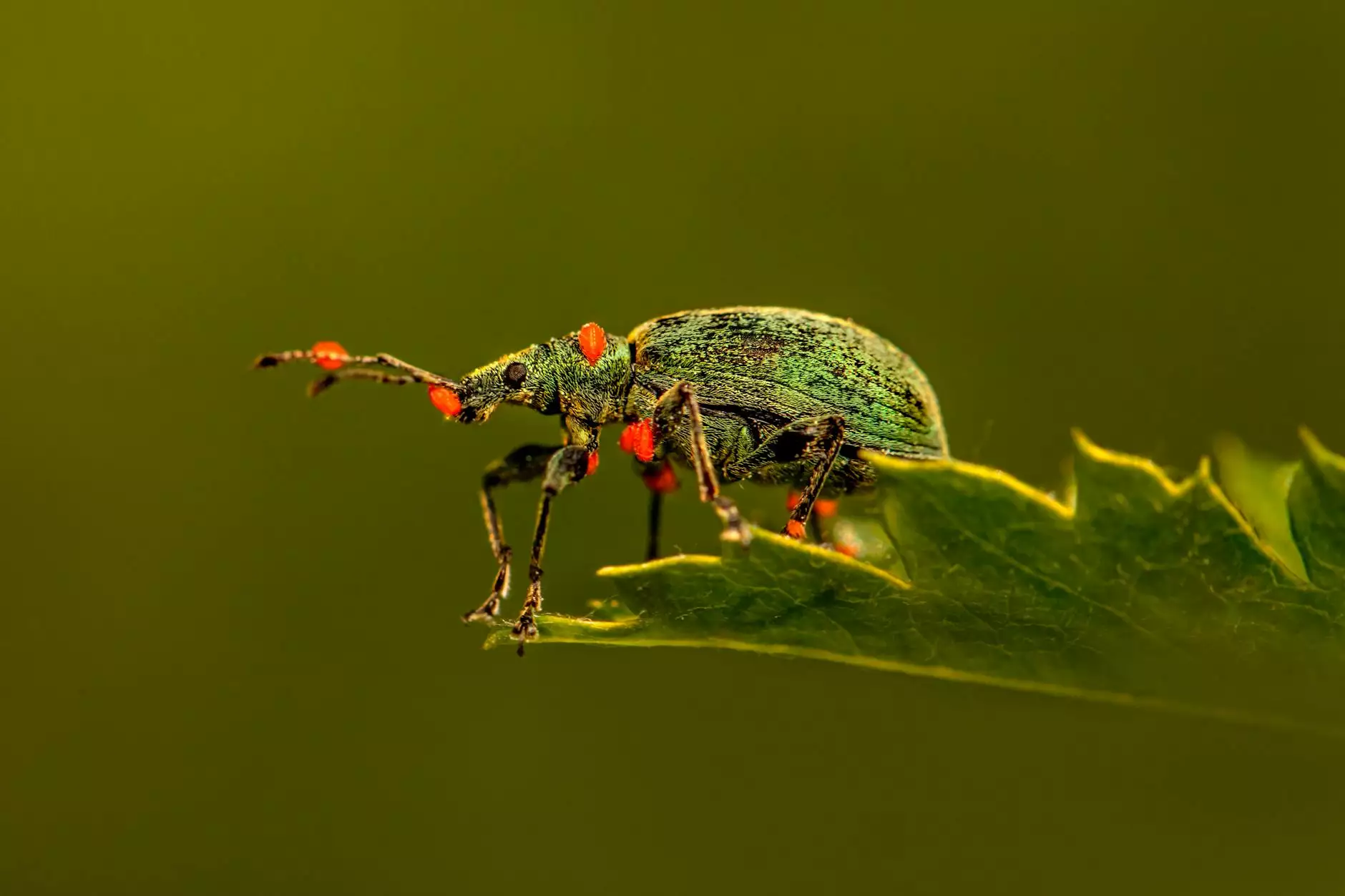
Weevils are a significant threat to stored grain, causing immense losses in both quantity and quality. Effective weevil control in stored grain is essential for farmers and grain producers to maintain their harvest's integrity and market value. This article explores various methodologies and strategies to combat these pesky invaders, ensuring that your stored grains remain safe and sound.
Understanding Weevils
Weevils belong to the family of beetles and are considered a major pest in grain storage. Two of the most notorious species are the rice weevil (Sitophilus oryzae) and the granary weevil (Sitophilus granarius), known for infesting and damaging grains. Their ability to reproduce quickly and thrive in various conditions makes them formidable adversaries in grain storage environments.
Identifying Weevil Infestations
To initiate an effective control strategy, it is crucial to recognize the signs of a weevil infestation:
- Surfaces of Grains: Presence of tiny holes in the grain.
- Powder Residue: A fine powder-like substance often found near storage areas.
- Live Insects: Adult weevils can sometimes be spotted crawling on or around stored grains.
- Damage to Grain: Decreased weight and compromised quality can be indicators of weevil damage.
Preventive Measures for Weevil Control
Effective prevention is the first line of defense in weevil control in stored grain. The following measures can help minimize the risk of infestation:
1. Proper Cleaning of Storage Areas
Before storing grains, proper cleaning of all storage areas is essential. This includes:
- Removing old grain remnants.
- Cleaning dust and debris from corners and equipment.
- Using vacuuming methods to eliminate leftover materials that could harbor pests.
2. Utilizing Quality Storage Containers
Invest in high-quality storage containers that provide airtight seals to keep weevils out. Options include:
- Metal or plastic bins with tight-fitting lids.
- Grain bags with good sealing capabilities.
- Silicone and plastic covers to enhance airtight conditions.
3. Monitoring Temperature and Humidity
Weevils thrive in warm and humid conditions. Monitoring the environmental factors within storage facilities can significantly reduce their appeal:
- Keep temperature below 60°F (15.5°C) when possible.
- Maintain humidity levels under 14% for optimal storage.
Active Control Methods for Weevil Infestation
When weevils are already present, active control measures must be implemented promptly. Various methods effective in weevil control in stored grain include:
1. Chemical Treatments
Chemical insecticides can be an effective option when dealing with severe infestations. When using these products, it is important to:
- Follow all safety and application guidelines.
- Select insecticides that are specifically designed for stored grains.
- Approach chemical treatments as a last resort, utilizing them sparingly and responsibly.
2. Natural and Organic Control Methods
For those looking for environmentally friendly solutions, natural pest control methods can be equally effective:
- Diatomaceous Earth: A non-toxic powder that suffocates insects upon contact.
- Garlic and Neem Oil: Both have natural insect-repelling properties.
- Essential Oils: Utilizing oils like peppermint and clove can deter weevils effectively.
3. Traps and Monitoring Devices
Investing in traps is a proactive method that helps monitor weevil populations and alerts you to an infestation:
- Pheromone Traps: Attract male weevils to reduce breeding.
- Sticky Traps: Capture adult weevils to help monitor the population.
Post-Harvest Management for Effective Weevil Control
Post-harvest practices are critical for minimizing weevil risks. These include:
1. Immediate Grain Drying
Properly drying grains after harvest reduces moisture content, making it an inhospitable environment for weevils:
- Aim for a moisture content below 14%.
- Utilize grain drying equipment, when necessary, to achieve uniform drying.
2. Regular Inspections
Routine inspections of stored grains help identify potential issues before they escalate:
- Conduct periodic checks at least once a month.
- Look for signs of infestations and swiftly act upon finding any.
Long-term Strategies for Sustainable Weevil Control
To ensure long-term success in weevil control in stored grain, implement sustainable practices that focus on prevention:
1. Education and Training
Training your team on proper grain storage practices is essential. A well-informed staff can help:
- Recognize symptoms of infestation quickly.
- Implement proper storage protocols.
2. Collaborating with Experts
Consider consulting pest management professionals to devise an effective grain protection plan:
- Seek out specialists that can test your grain storage conditions.
- Obtain advice on the best products and methods suited to your needs.
Conclusion: Keeping Your Grain Safe
Controlling weevil populations in stored grain requires a multifaceted approach that combines prevention, active control methods, and ongoing management. By implementing these strategies, you will enhance the quality of your grain and minimize financial losses due to pests.
For all your farm equipment repair needs and farming equipment solutions, visit tsgcinc.com. Our expertise ensures your agricultural operations are efficient and pest-free, leading to fruitful harvests.