The Ultimate Guide to Virtual Radio DJs
In today's digital era, the landscape of music and broadcasting has drastically transformed. The emergence of virtual radio DJs marks a significant leap in how we consume music and engage with audio content. This article dives deep into the intricacies of virtual radio DJs and the vital role they play within the broader spectrum of music production services.
What is a Virtual Radio DJ?
A virtual radio DJ is a unique blend of technology and artistry. Utilizing advanced software and digital tools, virtual DJs create, curate, and broadcast music to audiences all over the globe. Unlike traditional DJs who perform live at venues, virtual DJs operate online, offering their services through various platforms.
Why Opt for Virtual Radio DJs?
The surge in popularity of virtual radio DJs can be attributed to numerous compelling reasons:
- Accessibility: Listeners can tune in from anywhere, eliminating geographical barriers.
- Diverse Content: Virtual DJs have access to vast libraries of music, providing a variety of genres and styles.
- Cost-Effectiveness: Hiring a virtual DJ can often be more economical than booking a traditional DJ, especially for events.
- Innovative Experiences: Virtual DJs often incorporate multimedia elements such as video mixing and interactive live chats, enhancing listener engagement.
The Technology Behind Virtual Radio DJs
Understanding the technological framework is crucial for grasping how virtual radio DJs operate:
Software and Tools
Virtual DJs utilize a plethora of software applications to facilitate seamless broadcasting:
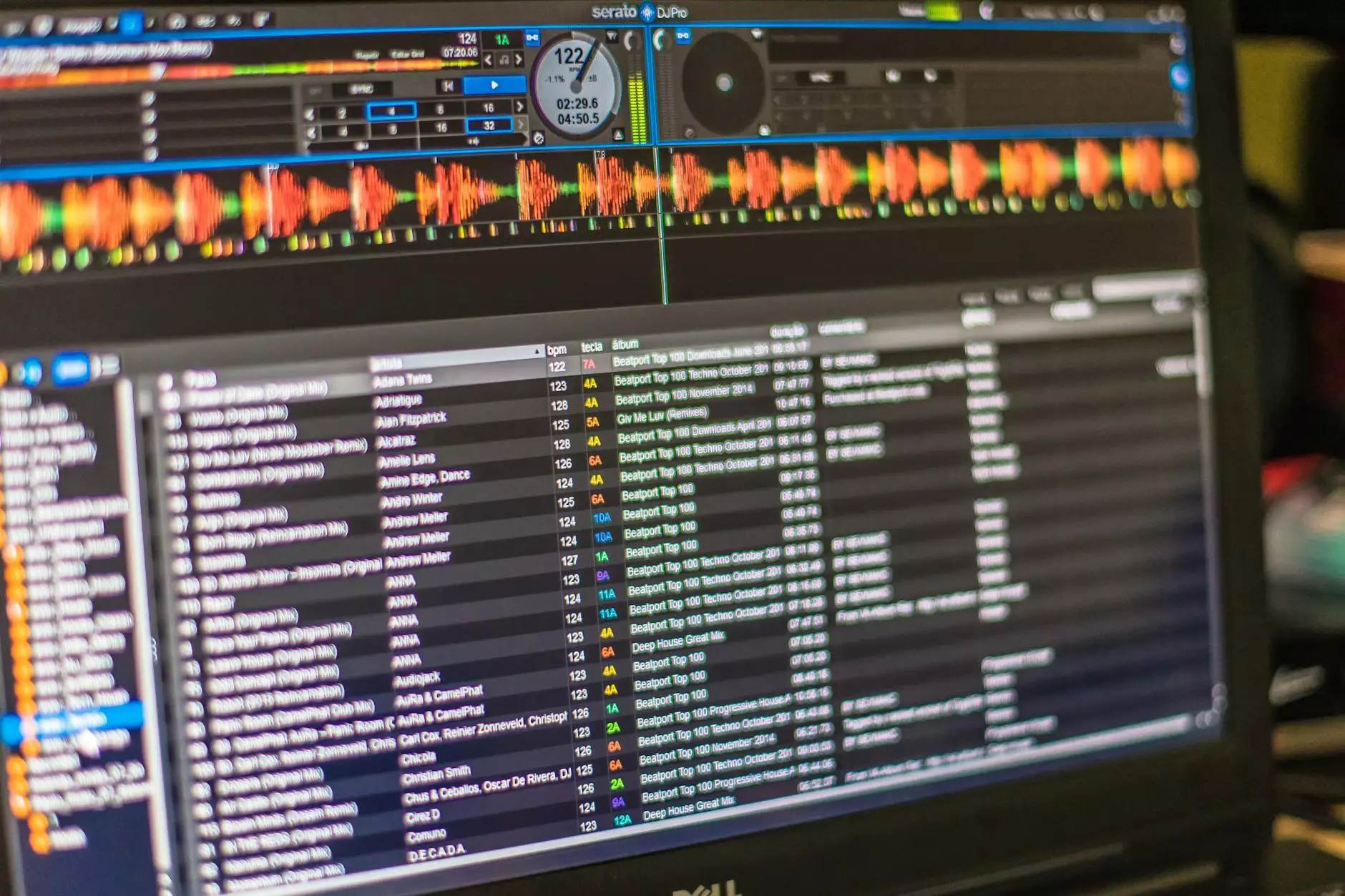
- Digital Audio Workstations (DAWs): Programs like Ableton Live or FL Studio are popular choices for mixing tracks.
- Broadcasting Platforms: Platforms such as Mixlr, Stationhead, and Radio.co enable DJs to reach their audience easily.
- Sound Libraries: Access to vast repositories of sound samples and music tracks is essential for enhancing mixes.
Hardware
In addition to software, the right hardware can significantly elevate a virtual DJ's performance:
- Audio Interfaces: High-quality audio interfaces ensure superior sound quality during broadcasts.
- Mixers: DJ mixers allow for smooth transitions between tracks, which is critical for maintaining the flow of a set.
- Microphones: Professional microphones are crucial for clear voiceovers and audience interaction.
How Virtual Radio DJs Enhance Music Production Services
Music production services have also evolved considerably, thanks to the influence of virtual DJs. Here’s how:
Collaborative Opportunities
Virtual DJs often collaborate with producers and musicians remotely, creating a rich tapestry of innovative sounds. This remote collaboration allows for:
- Global Talent Pool: Work with artists from various regions, bringing unique sounds and styles to your projects.
- Real-Time Feedback: Instant communication through online platforms allows for quick adjustments and improvements.
Promotion and Exposure
Using virtual radio DJs as part of music production services also opens up new avenues for promotion:
- Showcasing New Tracks: Virtual DJs can play exclusive previews of upcoming releases, generating buzz.
- Engagement and Interaction: Audiences can engage directly with artists via live chat, providing feedback and building a community.
Steps to Become a Virtual Radio DJ
If you're considering diving into the exciting world of virtual radio DJing, here are the essential steps to get started:
1. Learn the Basics of DJing
Understanding music theory, beatmatching, and mixing techniques is crucial. Online tutorials and courses can be beneficial.
2. Choose Your Equipment Wisely
Select a reliable combination of software and hardware that suits your style and needs.
3. Build a Compelling Music Library
Having a diverse library at your fingertips is essential for keeping sets fresh and exciting.
4. Practice, Practice, Practice
Consistent practice helps to hone skills and develop a unique style. Record mixes and review them for improvement.
5. Create an Online Presence
Utilize social media and streaming platforms to build a fanbase and share your mixes.
6. Start Broadcasting
Choose a broadcasting platform that meets your needs and begin sharing your music with the world.
Best Practices for Engaging a Virtual Audience
Engaging your audience is paramount to becoming a successful virtual DJ. Here are some best practices:
- Interact Live: Encourage listeners to participate in real-time, asking questions and requesting songs.
- Host Themed Shows: Create events around specific themes or genres to attract different audience segments.
- Utilize Visuals: Incorporating video elements or visuals can enhance the listening experience.
- Provide Exclusive Content: Offer exclusive tracks, remixes, or behind-the-scenes content to deepen audience connection.
The Future of Virtual Radio DJs
As technology evolves, the potential for virtual radio DJs expands. Here are some trends to look out for:
- Artificial Intelligence: AI will play a role in music selection and creation, potentially enhancing the DJ's creative output.
- Augmented Reality: Imagine virtual concerts where listeners can participate in a three-dimensional space.
- Cross-Platform Integration: Virtual DJs may integrate with streaming services, social media, and various platforms for a unified experience.
Conclusion
The rise of the virtual radio DJ showcases the incredible intersection of technology and music. Whether you're a budding DJ, a seasoned producer, or an avid listener, there is immense potential in embracing the innovations brought forth by this digital era. As you explore the dynamic world of music production services, keep an eye on the evolving role of virtual DJs—they are shaping the future of how we experience music!