The Comprehensive Guide to Liquid Mercury: Pricing, Uses, and Availability
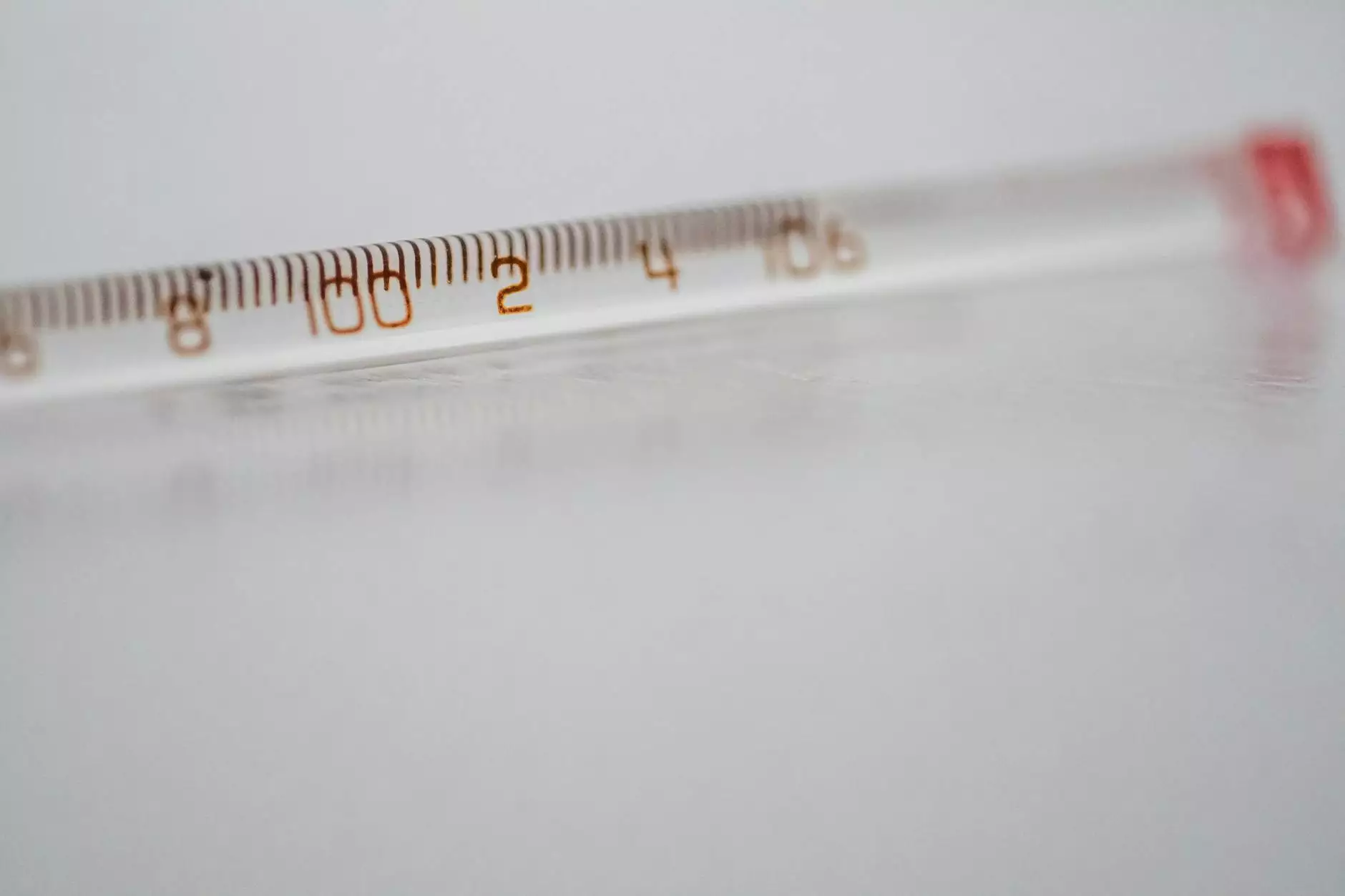
Liquid mercury, a fascinating and rather unique element, has been used in various industries for centuries. Known for its fluidity and metallic luster, mercury is not just an enigmatic substance; it is also a valuable commodity in numerous applications. In this article, we will unravel the intricacies of the price of liquid mercury, the reasons behind its fluctuations, and its many uses. We will also discuss where you can find liquid mercury for sale and how to make informed purchasing decisions.
The Basics of Liquid Mercury
Liquid mercury, also known as quicksilver, is the only metal that exists in a liquid state at standard temperature and pressure. With a high density of 13.534 g/cm³, mercury is relatively heavy, which makes it useful in various applications, particularly in thermometers, barometers, and other scientific instruments. Its distinctive properties include:
- High surface tension: This allows mercury to form beads, making it visually striking.
- Low viscosity: Mercury flows easily, which is why it’s used in many measuring devices.
- Conductivity: Mercury can conduct electricity, albeit at lower efficiency compared to other metals.
Understanding the Price of Liquid Mercury
The price of liquid mercury is influenced by several factors, making it fluctuate over time. These factors include market demand, production costs, environmental regulations, and availability from suppliers. As of 2023, the price of mercury has seen some significant changes due to increased awareness about its environmental impact and the push for safer alternatives.
Market Demand and Its Influence on Prices
The demand for liquid mercury primarily stems from the following industries:
- Healthcare: Used in thermometers and medical devices.
- Electronics: Integral in switches and relays.
- Mining: Employed in the extraction of gold and other minerals.
As the demand fluctuates in these sectors, so does the price. For example, with the growing trend towards digital thermometers, the demand for mercury thermometers has declined, affecting prices negatively.
Production Costs and Supply Chain Factors
The cost of production plays a crucial role in determining the market price of liquid mercury. Mining and refining mercury can be resource-intensive, requiring significant financial investment. Additionally, the current state of the supply chain can impact availability, creating further price dynamics.
Where to Find Liquid Mercury for Sale
If you are in the market for liquid mercury for sale, it is essential to source your product from reputable suppliers. Here are some avenues you might consider:
1. Specialty Chemical Suppliers
Many chemical suppliers offer liquid mercury, often with options for bulk purchasing. These suppliers often provide additional information on the specifications and safety guidelines for handling mercury.
2. Online Marketplaces
Several online platforms facilitate the sale of liquid mercury. While this can provide convenience and accessibility, it is crucial to verify the credibility of the seller to avoid purchasing counterfeit or substandard products.
3. Industry Conferences and Trade Shows
Attending industry conferences can put you in direct contact with manufacturers and suppliers of liquid mercury. Networking at these events can lead to better pricing and contracts.
Safety Considerations When Handling Liquid Mercury
Due to its toxic nature, handling liquid mercury comes with significant safety considerations. It is essential to adhere to the following guidelines:
- Use Protective Gear: Always wear gloves, goggles, and protective clothing when handling mercury.
- Work in a Well-Ventilated Area: Ensure adequate ventilation to avoid inhalation of harmful vapors.
- Immediate Clean-Up: In case of a spill, follow proper clean-up procedures to mitigate health risks.
The Future of Liquid Mercury: Trends and Predictions
As environmental regulations become stricter globally, the future of liquid mercury remains uncertain. Countries are increasingly banning the use of mercury in many applications, pushing for the development of safer alternatives. This trend is expected to impact the price of liquid mercury significantly.
Emerging Alternatives
As industries transition away from mercury, alternatives such as digital instruments and other materials are gaining traction. The implications of these trends could lead to:
- Decreased Demand: As mercury becomes obsolete in certain applications, the demand could sharply decline.
- Price Volatility: The market might experience rapid price changes as suppliers adjust to new demands and regulations.
From a financial perspective, businesses need to stay informed about these changes to navigate their purchasing strategies effectively.
Conclusion
In conclusion, the price of liquid mercury is an intricate subject influenced by multiple factors, including demand, production costs, and regulatory environments. Understanding these dynamics enables consumers and businesses to make informed decisions when sourcing liquid mercury. The key to success in purchasing lies in recognizing reputable suppliers, staying abreast of industry trends, and adhering to safety practices when handling this remarkable but hazardous element. For further inquiries into liquid mercury for sale, please visit dschemek.com.