Comprehensive Guide to the Laparoscopic Total Hysterectomy Procedure - Expert Obstetricians & Gynecologists at DrSeckin.com
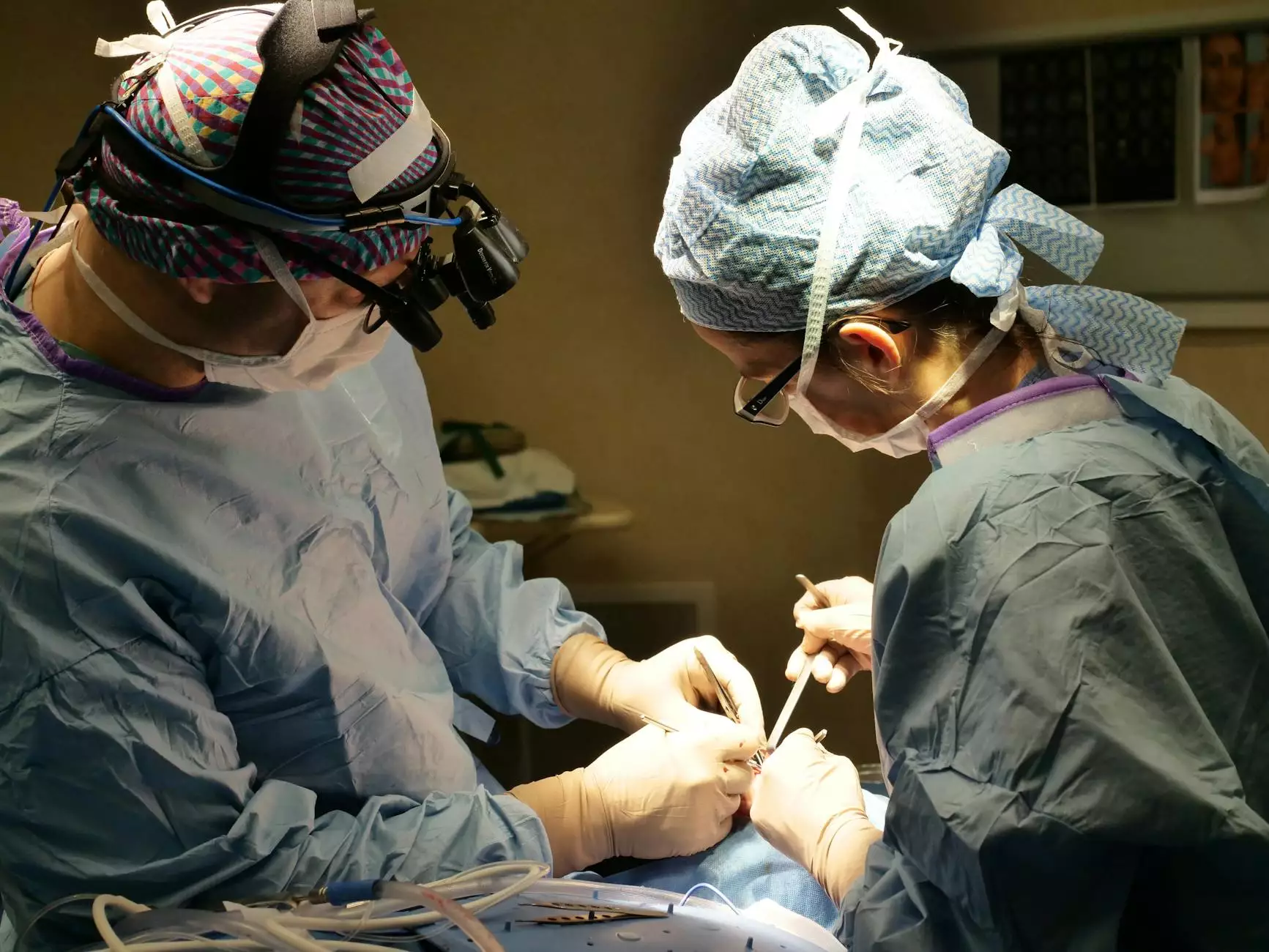
Women’s health is a vital component of overall well-being, and advances in surgical techniques have dramatically improved the options available for managing benign and complex gynecological conditions. Among these innovations, the laparoscopic total hysterectomy procedure stands out as one of the safest, least invasive, and most effective methods for removing the uterus. Led by highly experienced obstetricians & gynecologists at DrSeckin.com, this minimally invasive surgery provides women with faster recovery times, reduced postoperative discomfort, and excellent surgical outcomes. Whether performed for benign fibroids, endometriosis, abnormal bleeding, or other gynecological issues, understanding this procedure in depth can empower women to make informed health decisions. This comprehensive guide delves into every facet of the laparoscopic total hysterectomy procedure, from what it entails to recovery and why expert medical care at DrSeckin.com makes a difference.
What Is a Laparoscopic Total Hysterectomy?
A laparoscopic total hysterectomy is a surgical procedure to remove the entire uterus, including the cervix, using minimally invasive techniques that involve small incisions and specialized equipment. Unlike traditional open surgery, which requires a large abdominal incision, this procedure employs a laparoscope—a narrow tube with a high-resolution camera—to visualize the internal pelvic organs on a monitor.
The laparoscopic total hysterectomy procedure allows surgeons to perform complex uterine surgeries with remarkable precision, significantly reducing the procedural risks and enhancing patient comfort. It is often used to treat:
- Uterine fibroids
- Endometrial hyperplasia or cancer
- Chronic pelvic pain
- Atypical uterine bleeding
- Severe endometriosis
- Cervical or uterine cancer in select cases
Conducted by skilled obstetricians & gynecologists at clinics like DrSeckin.com, this procedure offers women a safe pathway to addressing complex gynecological conditions with minimal disruption to their daily lives.
Advantages of the Laparoscopic Total Hysterectomy
The evolution of laparoscopic techniques has transformed the field of gynecologic surgery. Below are compelling reasons why the laparoscopic total hysterectomy procedure is becoming the preferred choice:
- Minimal Invasiveness: Small incisions reduce tissue trauma and scarring.
- Reduced Pain and Discomfort: Patients often experience less postoperative pain compared to open procedures.
- Shorter Hospital Stay: Many patients are discharged within the same day or after an overnight stay.
- Faster Recovery: Return to normal activities can occur within days to weeks.
- Lower Risk of Complications: Enhanced visualization decreases the chances of blood loss, infection, or injury to adjacent organs.
- Cosmetic Benefits: Less visible scarring ensures a more aesthetically pleasing outcome.
Step-by-Step Overview of the Laparoscopic Total Hysterectomy Procedure
The surgical process is meticulously planned and executed by expert surgeons, ensuring safety and effectiveness. Here is a detailed breakdown:
Preoperative Preparation
- Comprehensive evaluation including pelvic exam, imaging (ultrasound or MRI), and laboratory tests.
- Discussion of medical history, previous surgeries, and anesthesia considerations.
- Informed consent process explaining risks, benefits, and expected outcomes.
Anesthesia and Initial Incision
The procedure begins under general anesthesia. The patient is positioned appropriately, usually in a dorsal lithotomy position. Small incisions, typically ranging from 5 to 10 millimeters, are made in the abdomen for inserting trocars that provide access for surgical instruments.
Creating Surgical Space with Carbon Dioxide
The abdomen is insufflated with carbon dioxide gas to create a working space. This inflation provides better visualization and maneuverability within the pelvic cavity.
Visualizing the Pelvic Anatomy
The laparoscope is introduced through one of the trocars, and the surgeon meticulously assesses the pelvic organs, identifying critical structures such as the bladder, bowels, ureters, blood vessels, and the uterus.
Detaching the Uterus
Using specialized laparoscopic instruments, the surgeon clips and cuts the supporting ligaments, blood vessels, and the round ligaments. The uterus is carefully separated from surrounding tissues and structures while maintaining safety and precision.
Removal of the Uterus
The entire uterus, with the cervix included, is detached. For larger uteri, the surgeon may morcellate (cut into smaller pieces) to facilitate removal through the small incisions, or in some cases, an additional slightly larger incision may be made.
Closure and Postoperative Care
Once the uterus is safely removed, the surgeon inspects the pelvic cavity for bleeding, ensures proper hemostasis, and then carefully deflates the abdomen. The small incisions are closed with sutures or surgical staples.
Post-surgery, patients are monitored closely, receive pain management, and are guided on activity restrictions and recovery expectations.
Postoperative Recovery and Long-Term Outlook
The laparoscopic total hysterectomy procedure typically offers a swift recovery compared to traditional open surgery. Patients often experience:
- Minimal postoperative pain managed with oral medications
- Return to normal daily activities within 1 to 3 weeks
- Reduced risk of wound infection or hernias
- Improved quality of life following symptom resolution
At DrSeckin.com, our caring team of obstetricians & gynecologists ensures tailored post-operative care, counseling, and follow-up to help women recover fully and regain their health swiftly.
Why Choose Expert Obstetricians & Gynecologists for Your Laparoscopic Total Hysterectomy?
The success and safety of a laparoscopic total hysterectomy hinge on the surgeon’s expertise, experience, and commitment to precision. Leading clinics like DrSeckin.com boast:
- Board-certified specialists with extensive training in minimally invasive gynecologic surgery
- State-of-the-art surgical facilities equipped with advanced laparoscopic technology
- Personalized care tailored to individual patient needs and medical histories
- Proven track record of successful surgeries with high patient satisfaction
- Comprehensive preoperative and postoperative support to optimize outcomes
Choosing highly qualified experts ensures that you benefit from the latest surgical techniques, safest practices, and compassionate care—leading to the best possible results.
Frequently Asked Questions About the Laparoscopic Total Hysterectomy Procedure
Is the laparoscopic total hysterectomy procedure painful?
Thanks to advancements in anesthesia and minimally invasive techniques, most women experience mild discomfort that is easily managed with medications. Actual pain levels vary based on individual factors and the extent of the procedure.
How long does the surgery take?
The typical operation lasts approximately 1 to 2 hours, depending on the complexity of the case and any additional procedures performed simultaneously.
Are there any risks or complications?
While the procedure is generally very safe, potential risks include bleeding, infection, injury to surrounding organs, or anesthesia-related issues. Selecting experienced surgeons minimizes these risks significantly.
Can I still have hormonal function after the hysterectomy?
Since the ovaries often remain intact, hormonal functions are usually preserved, and menopausal symptoms are avoided unless the ovaries are also removed.
Is menopause inevitable after hysterectomy?
No, menopause is not always immediate if the ovaries are untouched. If ovaries are removed, menopausal symptoms typically occur within a few weeks.
In Conclusion: Embrace Optimal Women’s Health with the Right Surgical Partner
The laparoscopic total hysterectomy procedure represents a pinnacle of minimally invasive gynecological surgery, offering women a safe, effective, and less traumatic way to address numerous uterine conditions. Choosing experienced obstetricians & gynecologists like those at DrSeckin.com ensures you receive the highest standard of care, personalized attention, and optimal surgical outcomes.
If you are considering this procedure, discuss your concerns, surgical options, and recovery expectations with qualified specialists. Empower yourself with knowledge and trust in expert care to achieve better health, enhanced quality of life, and peace of mind.